

You can’t optimize what you haven’t
measured.
No guesswork. No Googling your results. A kit ships to your door, a best-in-class reference laboratory processes your sample, and a physician returns a clear personalized report. Not a page of numbers.
One test is a snapshot. Consistent testing is intelligence.
A baseline tells you where you are. Retesting every 6 months shows you where you’re going, and whether what you’re doing is working. When your protocol or clinician indicates it, more frequent testing at 3 months keeps your care precise and your adjustments timely.
Baseline
3-Month Check
6-Month Panel
Ongoing
Multiple at-home panels.
Same clinical standard.
At-home panels shipped to your door and processed by a national reference laboratory trusted by more than 2,000 hospitals.
Wake Up. Test.
Get on with your day.
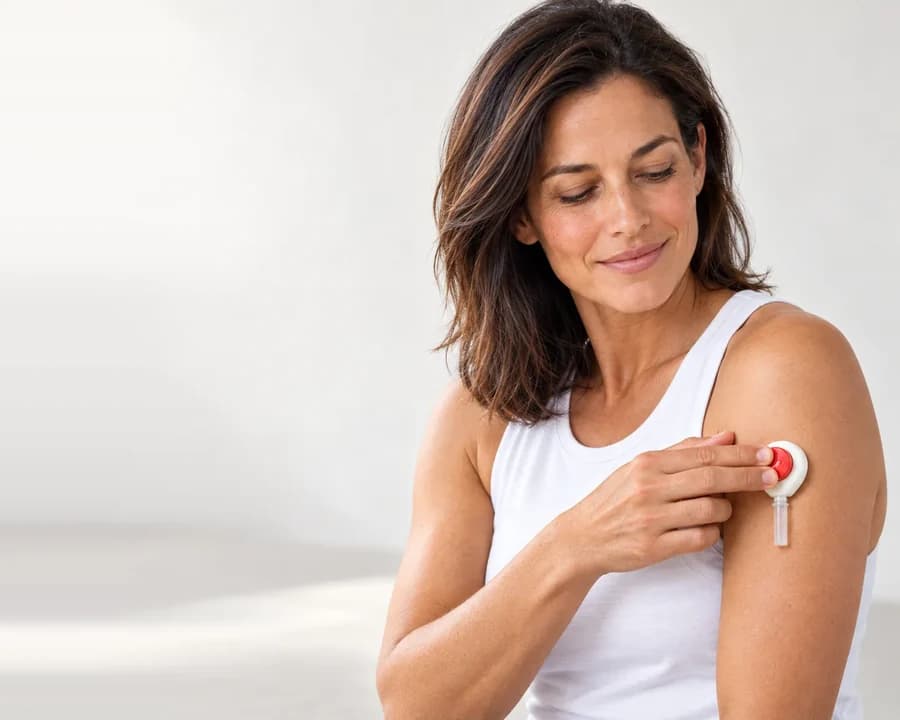
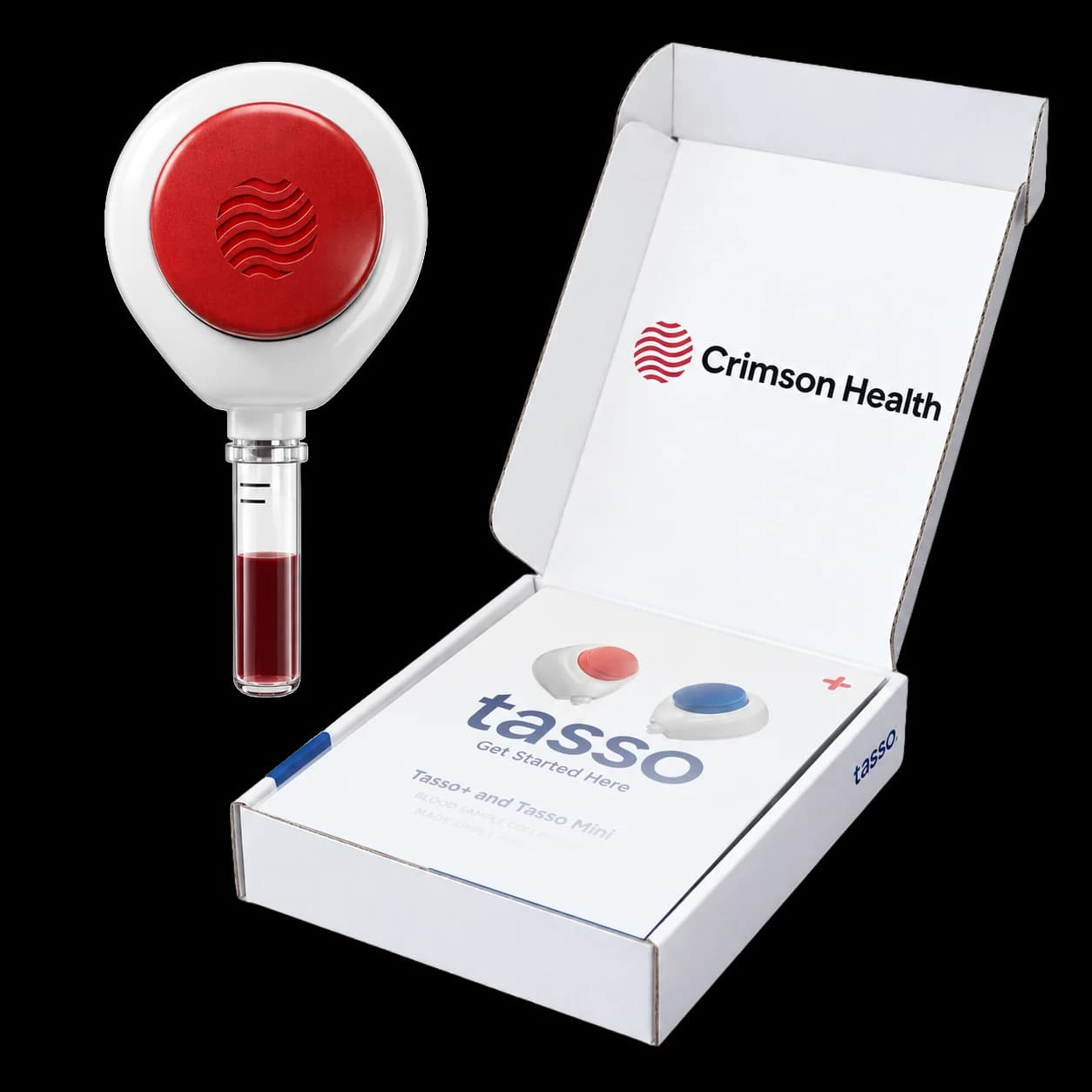
Many of the markers on a Crimson panel require a fasting draw. At a clinic, that means scheduling an appointment, driving in hungry, waiting, and then getting through the draw before you can eat. With Tasso+, you apply the device before breakfast. The collection is done in 15 minutes, and you go about your morning.
The FDA-cleared Tasso+ device pulls a small blood sample from your upper arm. No vein, no clinic, minimal discomfort.
Focused measurement is better medicine.
Most direct-to-consumer labs compete on the length of their marker list. We don’t. Every marker on a Crimson panel is there because it has a well-established evidence base, a clinically meaningful reference range, and a clear next step when it falls outside normal. Markers that don’t meet that bar aren’t on the panel.
A new class of tests that measures what matters.
Building the next generation of biomarkers to measure human function and extend healthspan at scale.
The VO₂ max blood test.
VO₂ max may be one of the strongest predictors of all-cause mortality, potentially more predictive than blood pressure, cholesterol, or smoking status. Measuring it today requires specialized treadmill equipment, making it inaccessible for routine tracking.
Crimson is researching a blood-based biomarker panel that correlates with cardiorespiratory fitness, with the goal of making VO₂ max trackable through a standard blood draw alongside the rest of your panel.
Predictor of all-cause mortality
In 750,302 US veterans, each 1-MET increase in fitness was associated with about 14% lower risk of death from any cause, across age, sex and race.
Annual decline without intervention
VO₂ max declines roughly 1% per year after age 30 without targeted training. The trajectory is measurable and modifiable with the right protocol.
You can’t optimize what you haven’t measured.
Start with a baseline. Retest on a cadence. Let the trend tell you whether it's working.